Cost of Vapor Barrier Installation in Johnson Creek, WI
Vapor barrier installation in Johnson Creek, WI, involves placing a moisture-resistant layer beneath flooring or within foundation walls to prevent water vapor transmission. The overall cost of a vapor barrier project can vary significantly based on factors such as the size of the area, the type of materials selected, labor requirements, and specific site conditions. Understanding these variables can help in estimating the potential expenses and comparing different options.
Since final pricing depends on the scope of work, material choices, labor complexity, and site-specific considerations, it is recommended to obtain detailed estimates from local providers. This allows for a clearer comparison of costs and helps in planning a project that aligns with budget and needs. Each installation may differ in cost based on the unique characteristics of the site and the materials used.
Typical Cost Range
$1,200 - $2,800 (Smaller scope)
$4,500 - $8,000 (Full basement or large area)
| Project Type | Typical Range |
|---|---|
| Basic Vapor Barrier | $1,200 - $2,800 |
| Full Basement Installation | $4,500 - $8,000 |
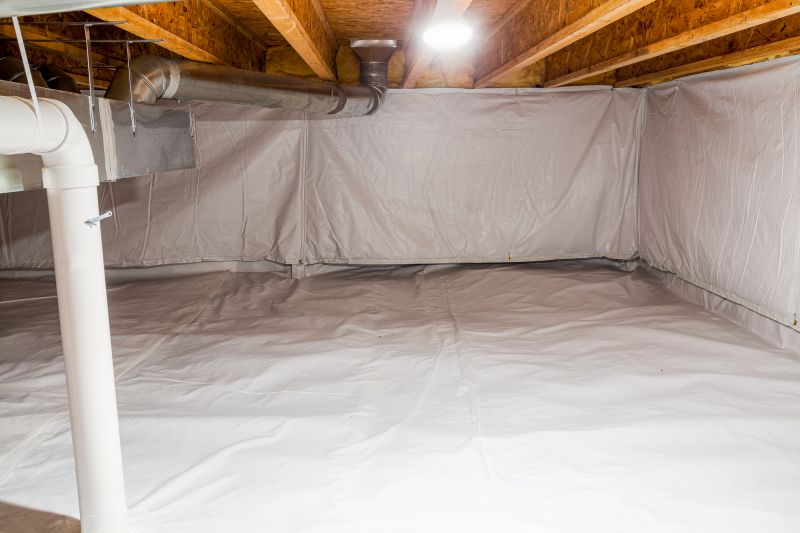
| Crawl Space Vapor Barrier | $1,500 - $3,000 |
| Insulation with Vapor Barrier | $3,000 - $6,000 |
| Vapor Barrier Repair | $800 - $2,000 |
| Additional Sealing or Reinforcement | $1,000 - $2,500 |
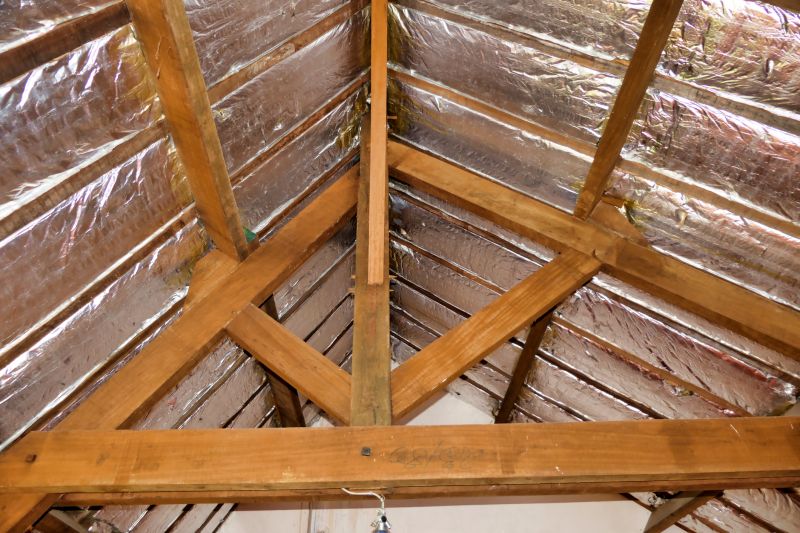
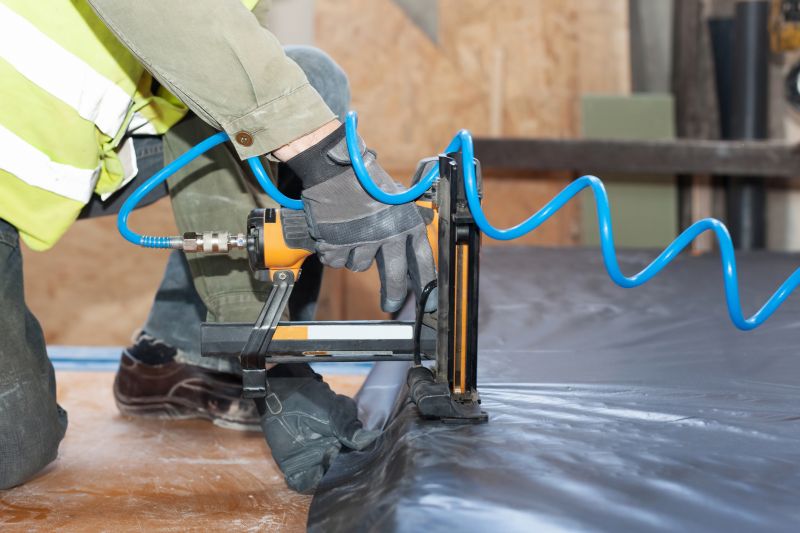
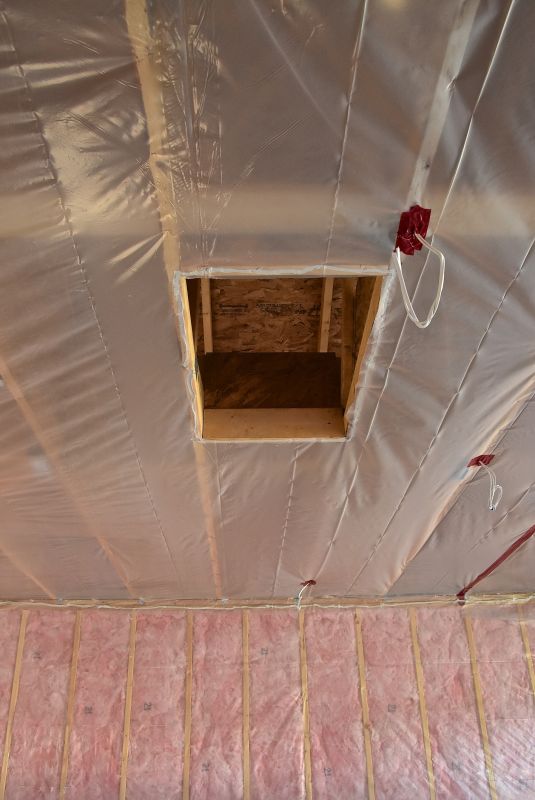
Factors affecting installation costs include area size, material quality, and accessibility.
Vapor barrier installation in Johnson Creek, WI, is a common step in ensuring proper moisture control in building projects. Understanding the typical scope, materials, and considerations can help in planning and budgeting for this process.
- Materials: Common vapor barrier materials include polyethylene sheets, typically 6 to 10 mil thick, suitable for residential and commercial applications.
- Size and Scope: Installation often covers crawl spaces, basements, or concrete slabs, with sizes varying from small patches to entire floor areas.
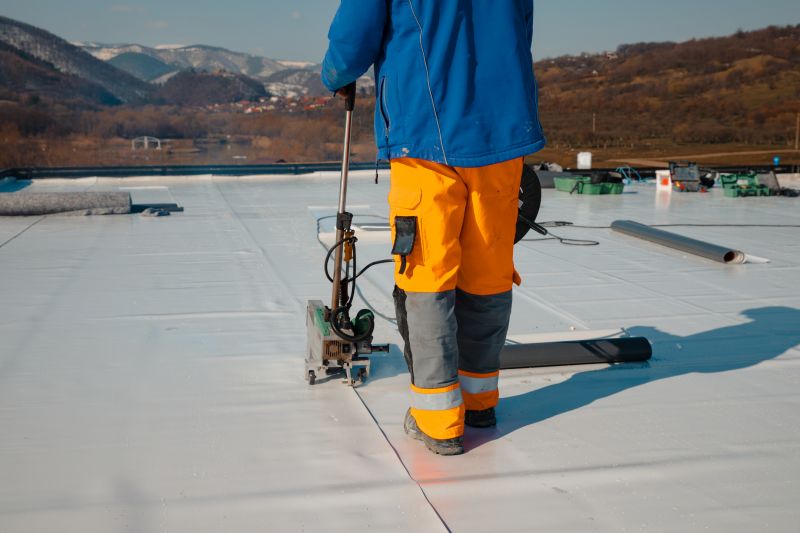
- Labor Complexity: The process generally involves laying or sealing sheets of vapor barrier material, which can range from straightforward to moderately complex depending on space accessibility.
- Permitting: Local building codes may require permits for vapor barrier installation, especially in new construction or major renovations.
- Additional Considerations: Optional extras may include sealing seams, adding insulation, or installing vapor barriers beneath flooring for enhanced moisture protection.